 Serbian
 Armenian
 Croatian
 Dutch
Dutch English
 French
 German
 Greek
Greek Hebrew
 Hungarian
 Italian
 Norwegian
 Polish
 Russian
 Slovenian
 Spanish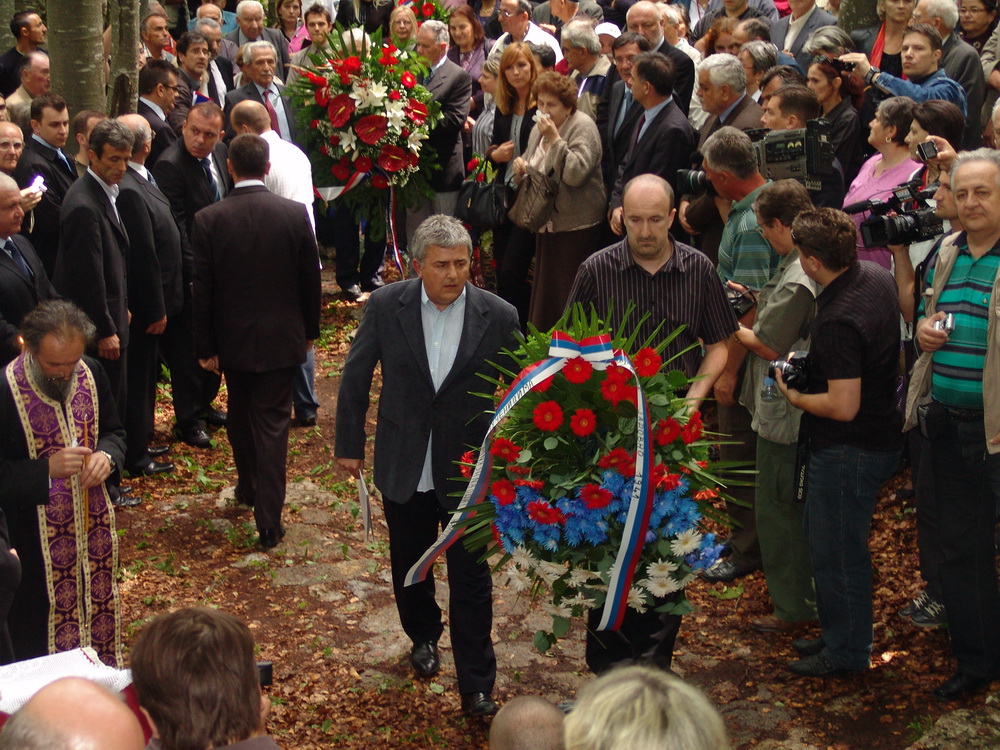
ВИДЕО – 26. ЈУН 2010. – Подручје логора Слана – Дан сјећања на Јадовно
Видео снимак! На подручjу логора Слана на острву Пагу 26. jуна 2010. године одржан први Парастос жртвама у оквиру првог обиљежавања Дана сjећања на Јадовно 1941.
 Скочите на садржај

Видео снимак! На подручjу логора Слана на острву Пагу 26. jуна 2010. године одржан први Парастос жртвама у оквиру првог обиљежавања Дана сjећања на Јадовно 1941.
РТРС- 17. jун 2010.- „ПЕЧАТ“ – Прилог о логорима Слана и Јадовно У друштву представника удружења Јадовно 1941., екипа РТРС-а на подручjу логора Слана на острву Пагу, снимила jе материjал коjи jе емитован у емисиjи ПЕЧАТ.
Radio RS | 21.01.2010. Emisija: Otvoreno rečeno, gost Dr Milan Bastašić, autor R. Marčeta
Emisija posvećena temi Jadovna. Sudjeluju filozof i sociolog Prof. dr. Svetozar Livada iz Zagreba, istoričar Prof. dr. Đuro Zatezalo iz Karlovca, viši kustos Muzeja žrtava genocida iz Beograda Prof. Jovan Mirković i predsjednik udruženja građana „Jadovno 1941.“ Dr Dušan Bastašić. Urednik i voditelj Vedran Škoro.
Milan Bastašić Prva do sada izdana knjiga o kontinuitetu stradanja srpskog naroda Bilogore i Grubišnog Polja Autentična svjedočanstva o genocidu – Spisak žrtava 26/27. aprila 1941. – Spisak jasenovačkih žrtava 1941-1945. sa šireg područja Grubišnog Polja – Iseljavanje Srba u međuratnom periodu – Razgovor s knjigom „Vila bilogorska’ – Fotodokumentacija DA SE NE ZABORAVI! Gdje možete nabaviti knjigu? Knjiga je dostupna u formatu Acrobat PDF: Milan Bastašić: Bilogora i Grubišno Polje 1941-1991.Acrobat PDF dokument, 15.516kB Bilogora i Grubišno Polje 1941-1991. – sadržaj Uvod Istorijski kontekst i njegov uticaj na uže geografsko područje Događanja pred prvi i drugi svjetski rat Pregled događanja na prostoru istočne Bilogore 1941. i
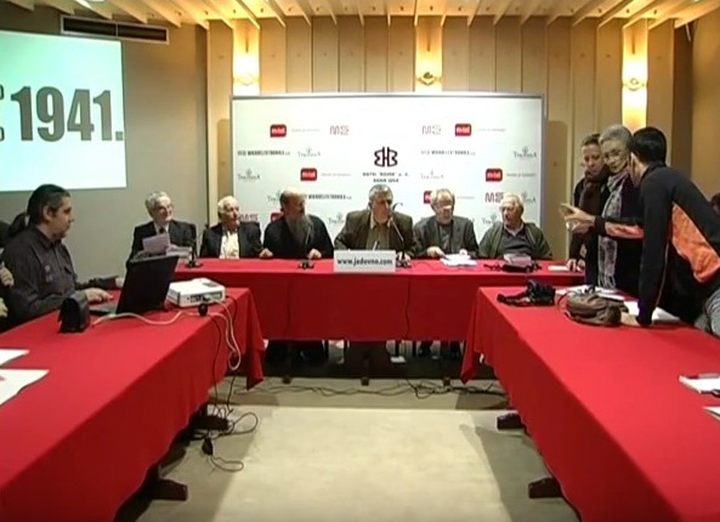
Бања Лука, 12. јануар 2010. – Конференција за новинаре поводом оснивања Удружења грађана „Јадовно 1941“. Гости, излагачи по реду обраћања: Др Душан Басташић, Проф.др. Светозар Ливада, Умировљени Епископ Атанасије Јевтић, Проф. др. Ђуро Затезало, Проф. Јован Мирковић, Протосинђел Јован Ћулибрк, Др. мед.сци. Милан Басташић.
На Јадовну 26. jуна 2010. године одржано прво обиљежавање Дана сjећања на Јадовно 1941.
Репортажа РТРС-а са Обиљежавања Дана сjећања на жртве усташких логора Јадовно.

На радиjу „Светигора“ у емисиjи „Јерусалим од злата“ – 12. децембар 2010. предсjедник Удружења потомака и поштовалаца жртава комплекса усташких логора „Јадовно 1941.“ Душан Басташић, говорио jе о Удружењу и недавноj посjети Израелу гдjе jе релевантне институциjе упознао о страдању жртава Јадовна као и о сарадњи коjа jе успостављена те о сусрету са Његовим блаженством Патриjархом Јерусалимски и циjеле Палестине Теофилом Трећим. Послушаjте емисиjу: This text will be replaced by the flash music player. Преузмите аудио датотеку Извор: Радио Светигора http://www.svetigora.com/taxonomy/term/111
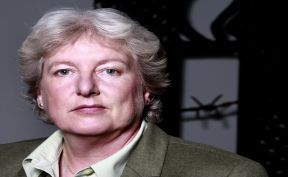
Добро знамо са суђења Главашу да је Владимир Шекс свједочио како је био у позицији заповиједања у Осијеку 1991. године, кад су почињени многи ратни злочини. То је довољан доказ да се покрене истрага, иако смо свјесни да се ради о врло утјецајном политичару Програмска директорица Амнестy Интернатионала за Еуропу и средишњу Азију Ницола Дуцкwортх 8. је просинца прошле године у Загреб донијела извјештај с кључним именима оних чија се умијешаност у ратне злочине суставно, више од десетљећа и пол, не истражује. Ријеч је о Томиславу Мерчепу, Владимиру Шексу и Давору Домазету Лоши; премда је први само два дана по Амнестyјеву извјештају завршио у притвору, Ницола Дуцкwортх и даље инсистира
Српски Поштовани посjетиоче, Помозите промоциjу Удружења „Јадовно 1941.“ и наших интернет страница, постављањем нашег банера на Ваше странице. Хвала Вам унаприjед! Banners English Dear visitor, Help promoting the Association “Jadovno 1941” and our webpages by placing our banner on your webpages. Thank you in advance! Флеш банер (728x90px) и упутство за постављање: jadovno_728x90px.zip Флеш банер (468x60px) и упутство за постављање: jadovno_468x60px.zip Флеш банер (234x60px) и упутство за постављање: jadovno_234x60px.zip Код (банер 120x60px): <a href=“http://www.jadovno.com“> <img src=“http://www.jadovno.com/banersi/jadovno-120×60.gif“ alt=“Jadovno 1941.“ /></a> Код (банер 468x60px): <a href=“http://www.jadovno.com“> <img src=“http://www.jadovno.com/banersi/jadovno-468×60.gif“ alt=“Jadovno 1941.“ /></a>
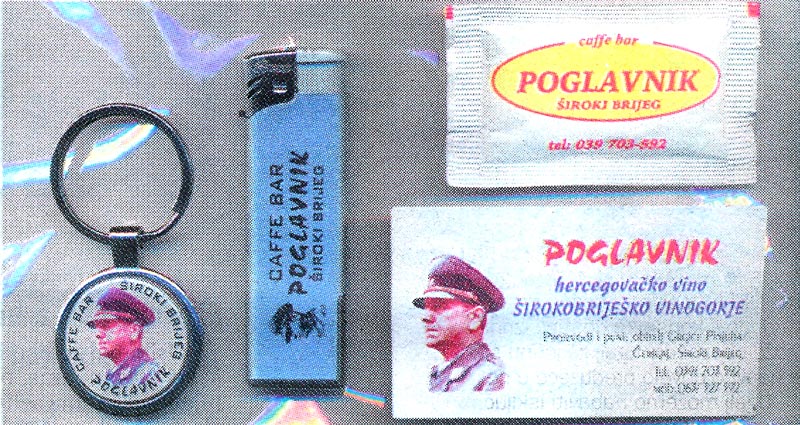
Ћирилица ŠIROKI BRIJEG – The Union of Associations of People’s Liberation War Veterans (SUBNOR) of Bosnia and Herzegovina asked the authorities to close a café in Široki Brijeg and penalize its owner, because for years the café has been carrying the name of the Ustasha villain and Poglavnik of the so-called Independent State of Croatia, Ante Pavelić! Stressing that it is scandalous that in a country trying to become a full member of the European Union exists a business in which there is public propagation of fascism and the image and work of the certified war criminal, member of the SUBNOR of BH Omer Maslo says for Press RS that
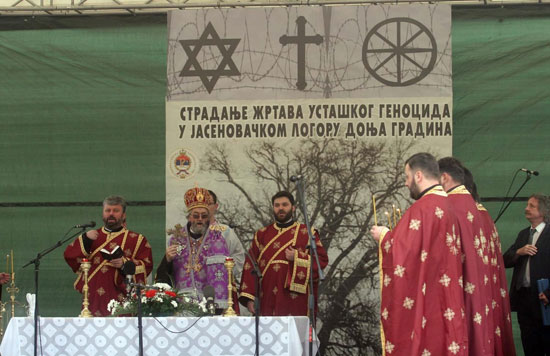
Snimak Pomena žrtvama u Donjoj Gradini povodom 65 godišnjice proboja Jasenovačkih logoraša. RADIO TELEVIZIJA REPUBLIKE SRPSKE

Прилог РТРС поводом потписивања петициjе избjеглих Срба из Хрватске. Петициjа се потписуjе и у Бањоj Луци, у просториjама Удружења Јадовно 1941., у улици Краља Алфонса XIII 49 А. О разлозима за покретање петициjе и одзиву избjеглих Срба из Хрватске на потпсивање петициjе, говоре Милоjко Будимир, предсjедник Асоциjациjе избjегличких удружења Срба из Хрватске и Душан Басташић, предсjедник удружења Јадовно 1941. ПОЗИВ ЗА ПОДРШКУ ПЕТИЦИЈИ ИЗБЈЕГЛИХ И ПРОГНАНИХ СРБА ИЗ РЕПУБЛИКЕ ХРВАТСКЕ Милорад Пуповац против петициjе српских избjеглица
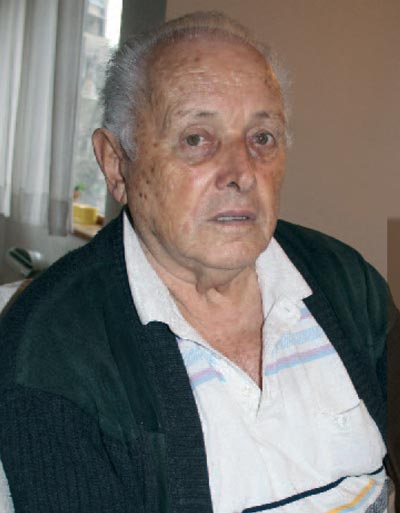
Загребачки професор др Светозар Ливада је на просторима бивше Југославије познат као социјални демограф, филозоф, историчар, активни учесник Другог свјетског рата, носилац Партизанске споменице, сарадник многих међународних установа, пензионисани професор загребачког Свеучилишта и предсједник Заједнице Срба у Републици Хрватској… Често је називан јеретиком од стране Хрвата, али и од стране Срба. Каже, највећи проблем има са Србима, оним који су Хрби, дакле хрватски Срби, или ти политички Хрвати, јер сматрају да раде за велику ствар а он им ремети мир јер говори истину. Оптужују га и они с друге стране, такозвани титуларни интелектуалци, „они”, како каже, „који су опслуживали контрареволуцију и плансирали синтагму о домовинском рату… Па кад износиш чињенице о


