arrow up
Ж | Ž
Ж | Ž
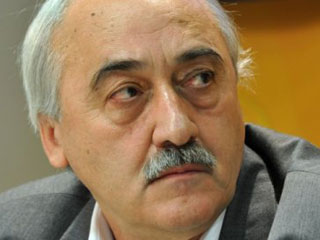
budimir.jpg

PRVO DA SE VRATI SRPSKI NAROD, PA ONDA KULTURNO BLAGO

BEOGRAD, 8. FEBRUARA /SRNA/ – Predsjednik Asocijacije izbjegličkih i drugih udruženja Srba iz Hrvatske Milojko Budimir smatra da  srpsko kulturno blago može biti vraćeno  u Hrvatsku tek onda kada se vrati srpski narod i obnove porušene pravoslavne crkve i  kuće onih koji su protjerani. „Mene, kao čovjeka koji se do 1995. godine bavio kulturom radeći kao direktor Muzeja Kninske krajine u Kninu, posebno boli kada vidim šta se radi kada je u pitanju naša kulturna baština. Poznato je da je Hrvatska tužila Srbiju i za krađu kulturnog blaga. Ovdje se radi samo o nekoliko stotina ikona i o riznicama dalmatinskih manastira Krke, Krupe i Dragovića, koje su prije rata izmještene
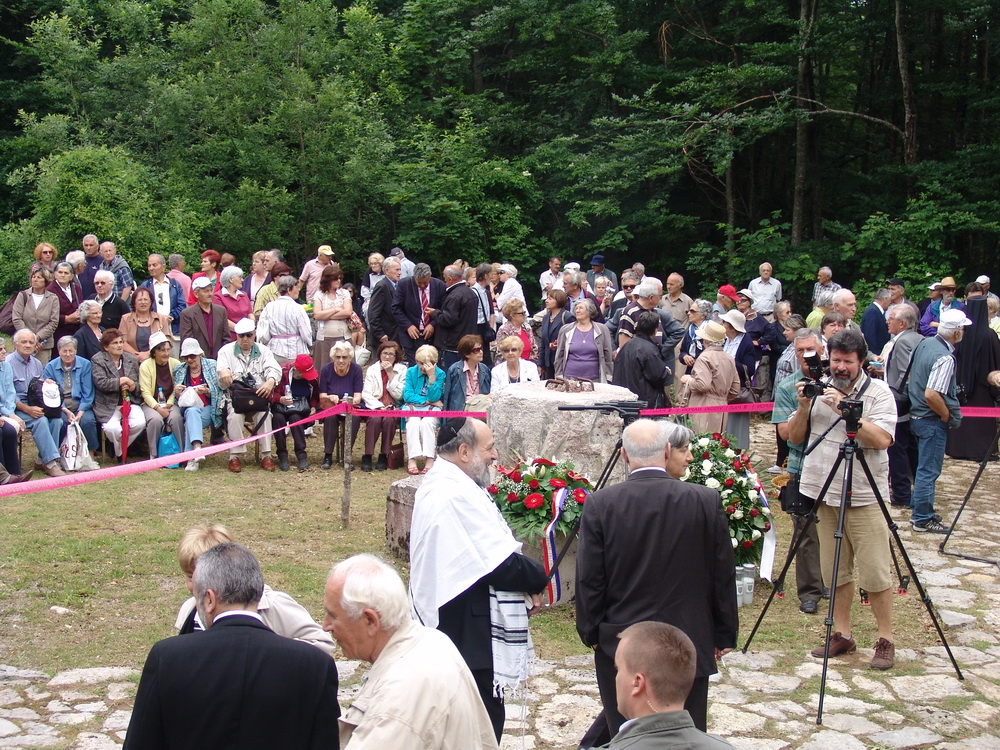
Prvo obilježavanje Dana sjećanja na Jadovno 1941.

Prvo obilježavanje Dana sjećanja na Jadovno 1941.

Jadovno 26. jun 2010. – Prvo obilježavanje Dana sjećanja na Jadovno 1941. – Jadovno 26. jun 2010. – Prvo obilježavanje Dana sjećanja na Jadovno 1941. Slike sa Prvog obilježavanja Dana sjećanja na Jadovno 1941.   Jadovno, R. Hrvatska – Jadovno, R. Hrvatska Stare i nove fotografije sa Jadovna.   Slana, Pag, R. Hrvatska – Slana, Pag, R. Hrvatska Fotografije sa spomen područja Slana na ostrvu Pagu.   Logor Slana, Pag, R. Hrvatska – italijanske fotografije iz 1941. – Logor Slana, Pag, R. Hrvatska – italijanske fotografije iz 1941. Šest dragocjenih fotografija, ustupljenih od strane Jevrejskog istorijskog muzeja iz Beograda.   VIDEO – 26. JUN 2010. Dan sjećanja na Jadovno Na

Ilija Ivanović

He was born in 1928 in the village of Podgradci, Bosanska Gradiška County. He testifies: The Ustashas expelled women on 21 April 1945 in order to kill them in the village of Gradina. They were singing. There were few hundreds of them. The male concentration camp was silenced. All the people were bewildered. Uncertainty was getting on everybody’s nerves. The suicides, performed by the hanging, became often. The Ustashas, being disturbed, were running hither and thither. Some horrible hurry was ruling the camp. We wondered: “What’ll happen?“ We were all reserved, fantasying about the liberation. The hope “lost hope.“ And, dark and bright thoughts were exchanging. Dušan Prpoš from the

Milan Bastašić

The son of Luka and Evica, born on 30 January 1931 in Grubišno Polje, Savska Banovina. He was deported to Jasenovac concentration camp in the first days of October. H e was released from the concentration camp on 30 November 1942. He says: My parents were farmers. They posessed eight acres of land. They were cultivating the church land on Majda, nearby Poljani. We used to have stable, warehouse, pigsty, chicken coop and outside toilet. This outbuilding had a surface of 12×16 metres and was located next to the house and main road that led to Virovitica. It included the well entrance hall. Beside the the large yard there were

Vasilije Karan

Banja Luka He narrates: I was striding in the column which was taking us to Jasenovac concentration camp. The column was long, too long. I can’t see the end of it. Seven Ustashas were following us. Their uniforms were dark, their looks even darker and the hatred immeasurable. They were shouting and threatening. I hear their voices even now: “ All of you will go to the river of Una and in the ovens now!“ I was silenced. My mother, two brothers and a little sister were with me. The father stayed in one of the shelters on the Kozara mountain. During our stay in the shelter of the Kozara

Mile Vukelja

He was born on 16 of November 1930 in the village of Donja Dragotinja, Prijedor County. He narrates: My parents’ names were Jovo and Stoja. They were farmers. We had house, stable, warehouse, corn crib, place for smoking meat, pigsties, chicken coops, beehive, eight heads of cattle (cows, oxen, bulls), four pigs, fifteen sheep, hens. Our family consisted of: father Jovo (1895), mother Stoja (1900), brothers: Dušan (1924), Dragan (1933), Nikola (1937), Slavko (1941) and sisters: Dušanka (1924), Jovanka (1926) and Smilja (1928). The Independent State of Croatia wrote a proclamation concerning of the handing over of the weapons regardless the fact if they had the weapon licence or not.

Branko Graonić

He was born on 23 November 1939 in the village of Velika Žuljevica, Bosanski Novi County. He says: I was born in a numerous household. As far as the life in the vilage was concerned, we were pretty well-offs. We possessed a house, outbuildings, a lot of acres of cultivated land and domestic animals. My father worked in the mine of lignite called “Ljesani“, which was located not far from our house. The other members of the household worked on our property fields and guarded the cattle. The attack of the Croatian and German Army on the Serbian villages in Potkozarje started in the spring of 1941. That was the

Danica Praštalo

She was born on 14 March in 1933 in the village of Aginci, Bosanska Dubica. She testifies: I was born on 14 March in the ancient 1933 in the village of Aginci, the town of Kozarska Dubica. The family property of Budmir has been there, where my father Mološ was occupied with agriculture. He was born in 1900. My mother Anđa was born in the village of Vlaškovci in 1908. Being farmers, we used to breed different kins of cattle: horses, cows, pigs, sheep, geese, ducks and hens. We possessed a great house with a shop inside it, a stable, a depot where we kept threshing machine (for the threshing

Đuro Savatić

I was born on 6 May in 1927, Starčevica, Banja Luka. He says: Father Teodor, born in 1902; mother Cvijeta, maiden surname Zubović, born in 1907. (Father died in 1961 and mother in 1994). Father Teodor was a worker of the tobacco factory in Banja Luka. Mother was a housewife. We had a constructed house of 140 square metres surface. The stable was of 150 square metres surface. It had the partitions that were used for the settlement of the cows, horses ans sheep. We possessed barn, pigsty, kosana? and chicken coop too. The cattle consisted of: a horse, two cows, ten sheep, two pigs and 20 hens. Our household

Tomo Lučić

He was born on 1 March 1931 in the village of Bistrica, Žepče County. He says: My parents’ names were: Lučić (Tomo) Pero (1910), a worker and Aleksić Bosiljka, a housewife, born in Brezovim Danama. My father lived in a common household with tha uncle Dušan, who was born in 1911 and worked as a clerk in Žepče district. The parents lived in the common household with the grandmother Lučić Vasilija, who was a widow of a killed Lučić Tomo. He was an ex farmer from the village of Bistrica, the regional unit of Drina (ruled by the a ban). Since I am the oldest grandchild, I was named after

Stojan Stojaković

Banja Luka He testifies: I was born on 15 November 1929 in the village of Slabinja in Bosanska Dubica County. The names of my parents were Milos (father) and Milica (mother). I was named by the grandfather Stojan who died few months before I was born. The village of Slabinja was one of the biggest and most developed villages in that region, i e in the region of counties: Prijedor, Bosanski Novi, Kostajnica, Dubica and the mountain of Kozara. The village consisted of four hamlets: Rakovača, Iškovac, Čapaja and Strijić. There was a primary school in the village. It was consisted of a few hundreds of pupils. The pupils from

Zorka Delić-Skiba

She was born in 1937 in the village of Kruhari, Sanski Most County She testifies: I was born on 27 January 1937 in the village of Kruhari in the vicinity of Sanski Most. I was named Zorka. My surname is Delić. When I was adopted in Zagreb, I was named Zorica – Marija Dasović. One time I didn’t know the date of my birth. I was told I was born on 10 April. It was the date and day when the Independent State of Croatia was established. It is interesting how I was “changing“ the religion. I was born as a Serb of the Orthodox religion. In the process of

Gojko Lovrić

He was born in 1934 in the village of Klekovci, Bosanska Dubica County, a high school teacher. He testifies: I am writing this truthful and sad story in order to reveal the truth regarding to the sufferings of the members of my household in the World War II. I don’t want to compete with those who cares for the glorifying of the numbers of their victims. I felt that I, as the only survivor, had the moral obligation to tell how and in which way my dearest lost their lives. The members of my family were: mother Stanka, father Spasoje; brothers: Miloš, Mihajlo, Sreten, Rajko, Mirko, Boško, Uroš and Stanko;

Svetozar Rubin

He was born on 20 July 1940 in the village of Gornja Omarska, Prijedor County. He testifies: My father Pantelija and mother Jovanka were farmers. They had a shop of the mixed goods. We lived in a pretty big house. We were living in one part of the house, while the other one was used as the shop. We had other outbuilding as other peasants did. We used to have a lot of neat cattle and sheep and goats. We had two pairs of horses which we used for transportation of goods from Prijedor (the goods which my parents used to sell in their shop). Our household consisted of: father

Jovo Šarović

Prijedor, Aerodromsko settlement He testifies: I was born on 7 January 1937 in the vicinity of the town of Foča. Foča was the interest zone of Italy since 1941. However, while the negotioations around the division of this part of B&H, the Independent State of Croatia considered that Bosnia the river of Drina belonged to Croatia. The Croatian military units came to East Bosnia, i e Foca, and conducted the collecting of the Serbs from Foča, driving them to Croatia in the freighted cars. I was in one of the freighted cars. I remember the railway station in Foča and the minutes when I heard the scream and moan of

NAJNOVIJE VIJESTI

Mračni bezdan smrti

Doktor Nikola Nikolić (1896-1986) bio je član organizacije Mlada Bosna, aktivni učesnik

Popis
10.502 žrtve

Udruženje Jadovno 1941. je formiralo Centralnu bazu žrtava, koju možete pretražiti unosom pojedinih podataka o žrtvama.

Kalendar
Pokolja

Odaberite godinu ili mjesec i pretražite sve događaje koji su se desili u tom periodu.