arrow up
Ж | Ž
Ж | Ž
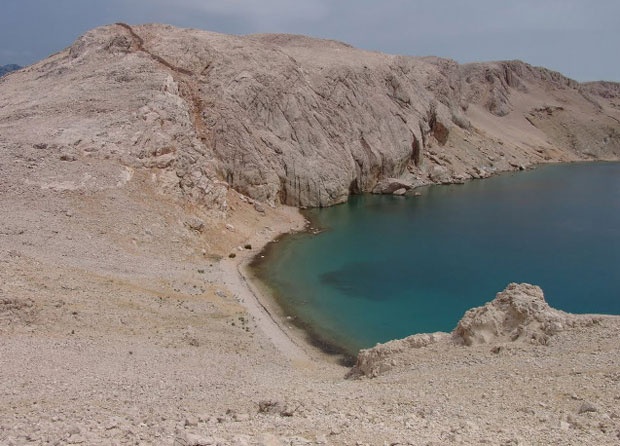
Кости брутално побијених прекривене шљунком и песком у ували на Пагу

Бура под Велебитом

Постоји један дугачак оток под Велебитом. Најдужи на Јадрану. Бијел и гол по брдима, озеленио виноградима у уском појасу при мору. Стрепи само пред бурама. И то не оним зимским. На њих је навикао покоран редовном годишњем злу. Мада га осољавају тонама морске соли подигнутим из пјене подвелебитског канала, буре му за сијечња и убојите вељаче не могу много нашкодити: вино је од јесени у коноби, овца се није још ојагњила а пуп лозе спава још свој зимски сан у ситном вунастом покривачу. Иако се тресу и кровови и зидови, урлају димњаци, свирају и лете захваћени цријепови – пред зимском се буром не стрепи. Навикли на своју осамљеност у тим
01-01.jpg

Предговор у књизи Харон и судбине аутора Анте Земљара

Садржај и теме књиге »ХАРОН И СУДБИНЕ« спадају у повијесну литературу о Другом свјетском рату кога су потакле националистичко-фашистичке идеје у чијим основама доминира уз ослобађање свога и поробљавање других народа, геноцид те отуђивање посједа и имовине. Обрађујући логор на отоку Пагу, којег је основала усташка власт тзв. Независне државе Хрватске, књига биљежи само провођење фашистичких усташких идеја над животима Жидова и Срба у првим мјесецима прогона. Садржај књиге не биљежи свеукупност тих прогона на територију којег је обухватила ратна творевина НДХ него само ниже детаље око логора Слана на Пагу. Аутор је називом књиге најавио и њен садржај. У ХАРОН-у, из старогрчке Митологије, имену и особи лађара који је

01-01.jpg

Foreword

The contents and topics of “CHARON AND DESTINIES” are historical literature on the Second World War which was initiated by nationalist and fascist ideas based on domination through liberation of your own people and enslavement of other peoples, through genocide and confiscation of property. Talking about the camp on the island of Pag, founded by the Ustasha authorities of so-called Independent State of Croatia (Nezavisna država Hrvatska – NDH), the book covers only the implementation of fascist Ustasha idea over Jews and Serbs in the first months of the persecution. The contents of the book do not cover the whole persecution over the territory of the war-time creation of NDH,

Gale under Velebit

There is a long island under Mount Velebit, the longest one in the Adriatic Sea, white and naked over the hills, green across the vineyards in a narrow strip close to the sea. It fears only gales, but not the winter ones. It is used to them, submissive to the regular annual evil. Even if they pour over it tonnes of sea salt raised from the froth of the channel under Velebit, the gales of January and deadly February cannot harm it much: the wine is in the cellar, the sheep has not given birth to a lamb yet, and the grapevine bud still sleeps its winter sleep in a

03-01.jpg

Takeover of power

In order to find solid data on where, when and how the Pag Ustasha link with the organization of the concentration camp on SLANA started, just as the cunning schemes and scarce words through which these organizers are avoiding confession leave us without more simple data, we need to take a look at circumstances under which Ustashas took over power in Pag on June 10, 1941 (mayor, camp commander, commissioner). “Nedjelja” (Sunday) an Ustasha newspaper in its May and June 1941 issue featured a letter from the clergyman we mentioned before, the Ustasha organizer, Josip Felicinović, who wrote, in detail, about those (war) days of April as well as later

Mysterious guests

The Ustashas established their political camp – Ustasha headquarters – named a camp commander (and in villages they established encampments with commanders), they surrounded him with aides-de-camp, called people to rallies and swore them to Pavelić. The Italian command did not literally share the same views, but they rather strengthened their military, political and policing capabilities in order to ensure they had as much influence on the island as possible and become dominant in that way (not only on the island but also in inland NDH, as far as Karlovac in those days). They helped each party fight the other, both Croatian and Serbian extremists equally, Catholics and Orthodox, they

Crime as programme

Event the smallest item in the agreement of this brave group of local Ustashas and outsiders was based on crime. They were aware of lawlessness under which they would arrest people to be brought to Slana; they were aware of the difficult road the prisoners would take across Velebit; they knew that their new organizations were not equipped with transportation vehicles and that prisoners would be tied up and brought on foot from Gospić to Karlobag; they agreed to put them in small, uncomfortable boats in Karlobag, because only those types of boats were available in neighbouring ports; being islanders, they knew that the prisoners would be brought to the

06-01.jpg

Slana and other locations

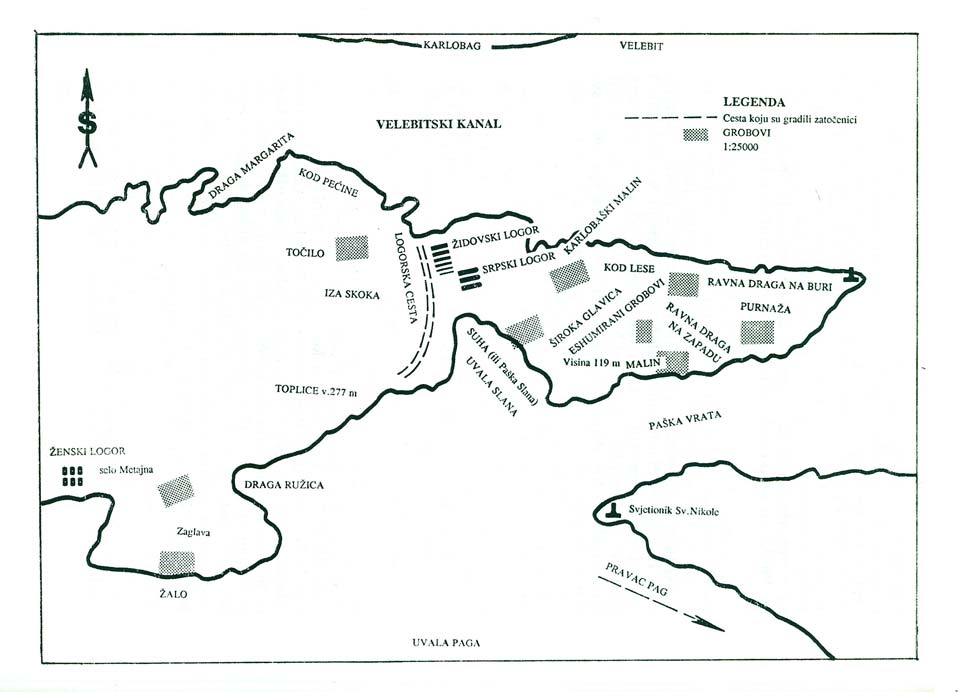
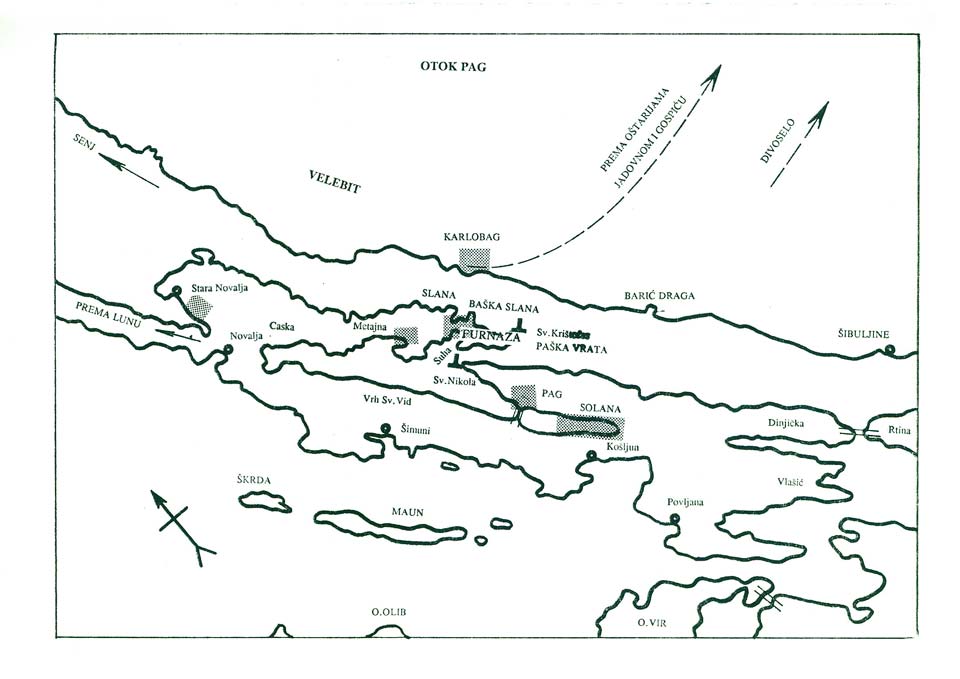
In the middle of the island of Pag there is a long bay which is entered from northeast, from the Mountain Channel, through the “Pag Door” that opens between two capes, St. Nicholas and St. Kristopher (both saints according to Christian beliefs watch over travellers, especially sailors and help them if asked). Slana is located on the part of the hill where St. Kristopher ends, or to put it in better words, the part of the hill where the crime happened starts with the Slana bay and leads towards the lighthouse at end of the cape with the church of St. Kristopher. This hilly crest plunged into the sea of

07-01.jpg

A terrible legend of Slana camp is revealed

Great efforts reveal the truth I join all people who in autumn 1985 read articles in “Novi list” from Rijeka on SLANA, titled HELL IN A ROCKY DESERT and I thank comrades Boris Ostojić and Mihajlo Sobelovski for finding a way and making effort, four decades since the terrible events in the Ustasha concentration camp SLANA on Pag, to collect what little material could be found, verified and used as evidence, judgment or legend created from evil deeds unseen in our age until then. I equally thank editors who, by publishing this material on the pages of “Novi list”, in a suitable way opened an unlimited survey on this horrific

Др ОТО РАДАН

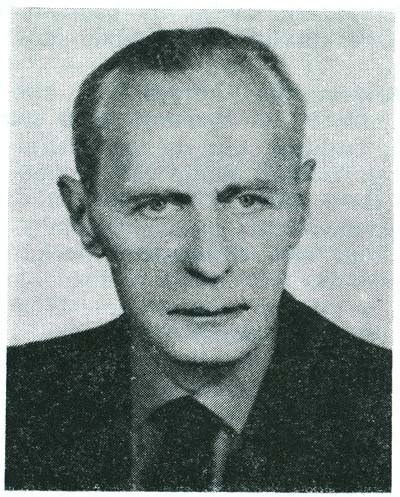
Dr. Oto Radan, witness who survived Slana camp

While searching for material evidence, not loosing hope that someone has survived the hardship, I heard, through late author Marijan Matković, about an old and remarkable man, and I could see he was remarkable as soon as I laid my eyes on him. SERBIAN Lawyer Oto Radan, now retired, met me at his humbler flat in Zagreb with a dachshund dog next to his feet. While rummaging through the SLANA hell and getting to know its cruelty, it becomes quite unbelievable to meet such a calm and quiet man who manages to talk with an academic dignity about everything he has been through! And he did survive SLANA from the

Doubt everywhere

By comparing Ustashas’ confessions, statements from witnesses and other evidence concerning transportation of people from and to Velebit, it seems very clear that Ustashas were asking themselves: where to place these people and where to kill them, on Pag or on Velebit? How else we could explain why Ustashas moved the killing sites? Remember, they brought to the island people from Velebit, from Gospić or Jadovno, where the killings were a constant, and then they took some groups (how many?) from Pag and sent them to Velebit, where all of them were killed, whether next to the sea, on Oštrije, on the road to Jadovno and in Jadovno itself, or

Testimony and visit to Slana by Josip Balaž – Joža

On the following pages we are going to read the testimony of Josip Balaž, Joža, a Hungarian, now retired living in Daruvar. In his written statement from October 9, 1970, which is located in SUBNOR in Pag, comrade Balaž writes that he was born in 1912 in Goveđe Polje, Daruvar Municipality. At age of six he lost both of his parents. His father died in the First World War, while his mother, brother and sister died of Spanish flu. Later on Joža was working for villagers watching over their gees and pigs, and later on also their cattle. For this he was given some food and allowed to sleep in

Tape recording of a conversation with comrade Josip Balaž, a surviving inmate from Slana camp on the island of Pag

The conversation was held in the offices of the Municipal Board of SUBNOR, in Pag, on October 9, 1979. Present were: Nikola Bistričić, President of Pag SUBNOR, Srećko Jeličić, Secretary of Pag SUBNOR, Slavko Maržić, President of Pag UBNOR and Professor Ante Zemljar. Before the conversation started comrade Josip Blaž presented a document granting him benefits for his service from June 6, 1941 to May 15, 1945. He also presented documents showing that he had been an active in trade unions from 1932 and a member of the Communist Party of Yugoslavia from 1937, and presented newspapers from that period writing about workers’ strikes. From these documents we could see

Testimony of Nada Feuereisen

After one part of her life, which you can only see in your worst nightmare, and during which she lost her husband and a five-year-old girl, after going through different camp and countless fights that seemed far from reality, the witness got to Italy into a Partisan base. Here she gave her statement to Captain Katalinić on September 8, 1945 in the office of the Section 5 of the Base Command (Rijeka Archives, SLANA, 8/1, 2, 3). Her accurate and clear statement caused me a lot of headache. When I compared her statement to Dr. Radan’s I came across a lot of unclear issues that I could not surmount easily.

Excerpts from the statement given by witness Nada Feureisen on September 8, 1944 in the office

“My name is Nada Feureissen, born in Zagreb, maiden name Cernik-Čavle, married, mother of two, now living in Bari, Via Dante Aligieri 270/III k. On July 9, 1941 in Zagreb I was arrested by the Ustasha security service. At the same time my husband and my four-and-a-half-year-old child were also arrested. Police officers who came for us left my old mother at home because I gave them some money. We were held in Zagreb Assembly for 4 days. The head of the camp in the Assembly was Ustasha official Baraković, the head of the Jewish section. There were also several Ustashas in the camp who molested us, but I do

НАЈНОВИЈЕ ВИЈЕСТИ

Јадовно 1941. – Летак

ПРОТИВ ЗАБОРАВА Преузмите летак у PDF формату Јадовничку мисију можете помоћи ако

Попис
10.502 жртве

Удружење Јадовно 1941. је формирало Централну базу жртава, коју можете претражити уносом појединих података о жртвама.

Календар
Покоља

Одаберите годину или мјесец и претражите све догађаје који су се десили у том периоду.