arrow up
Ж | Ž
Ж | Ž

My buried hopes

It is very strange, among other things, when for example Nada Feureissen says: “From Metajna we went to Slana on trabaccolo cargo ships. After that we boarded a sail ship and after half an hour reached a bay…” (Slana, Suha bay). For people who know this distance, it is clear that this is probably poor memory, because if you board a ship heading to Slana, it is unnecessary to change vessels since it is not a long distance. It is more interesting that she said they went into trabaccolo ships, so more than one. But if they changed vessels (from trabaccolos to a sail ship, although the trabaccolo is also
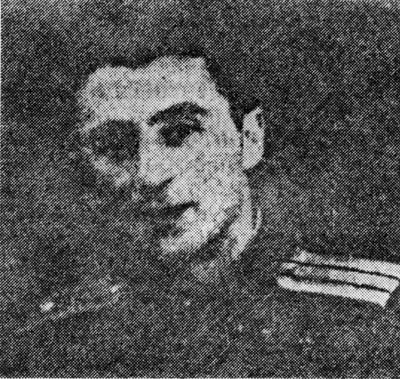
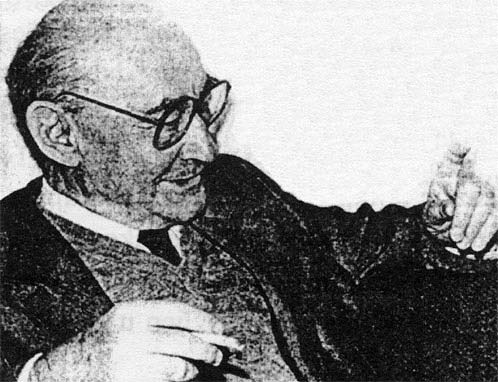
Eyewitness Radomir Vidas

Radomir Vidas from Novalja on Pag as a witness gave the following statement in the Pag Town Command in 1945: “In July 1941 I was on my way home for a leave as a Domobran (soldier of the territorial army). From Otočac I went to Pag via Gospić. I wanted to travel to Karlobag in a post bus. Since the bus was not scheduled for that day I had to find another transport. While I was looking for transport I found out that an Ustasha truck is transporting prisoner to a camp on Pag. Several days before I found out there was a camp on Pag, but I had never

pavao_levkovic.jpg

Testimony of Zlatko Vajler

Zlatko Vajler   While I was collecting testimonies about Slana camp, I rejoiced every time I heard that someone came out of Slana alive. It seemed that not all was black in this deepening pit in the soil of my ancestors’ island. I was grateful to the unknown force that still did something good in its attempt to save man. Reluctant, I rang the door bell of Zlatko Vajler’s flat in Belgrade, trying not to disturb this man, who to me seemed resurrected! When he opened the door I realised: only such vigorous and solid man could have survived and escaped! I am grateful for his encouragement which made me

emerik_blum_energoinvest.jpg

The Director of Sarajevo “ENERGOINVEST” witness of Slana

One of the distinguished business men is the witness that even deportees from Sarajevo came to Slana. For years he never mentioned that he had gone through the hell of this camp, not even to the people close to him. Today he is also deceased. He gave his short statement on his road to Slana on the request of Oren Ružić, a former Partisan from Pag who studied the history of Slana. Emerik Blum Emerik Blum: “I was arrested in Sarajevo on June 23, 1941 as a communist. We were held in a prison in Sarajevo for a month. After that we were lined up in columns and sent to

Going through documents

Rijeka Archives and Croatia Archives in Zagreb I wanted to title this section YELLOW LEAVES OF DOCUMENTS, but something led me to name it: golden documents. Both of them would be suitable as I see it. It is difficult to keep a cool head when we read in them about all the horror. But it is necessary to keep a cool head, more then anything in order to rummage through the piles of (seemingly) unnecessary things and dig out the solid truth. All of the documents that we came across were mostly written several years after the crime. All of the witnesses were registered either by the Commission (or commissions)

20-01.jpg

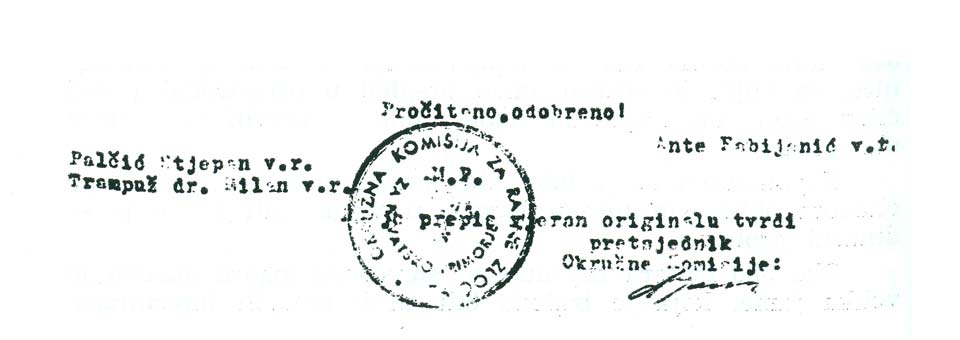
County War Crimes Commission for Croatian Coast

On regular field work in Pag RECORD on interviewing witnesses in the case Slana and Metajna. Made on November 20, 1945 in Pag Present: Dr. Stjepan Petek Recorder: Stjepan Palčić Witness: Duje Bilić, age 36, Roman Catholic, Croat, Manager of Pag Harbour Office, married, father of four, warned to speak the truth, states: “In autumn 1941, immediately after the camp was disbanded I took my boat accompanied by Jure Persen, Dr. Tomo Dodoja, Ivan Sabalić and Jerolim Bukša and went to Slana camp. Our intention was to save any inmates that might had been left there, so we took guns with us in case someone tried to stop us. Just

Reading the order to the ship operator again

The date on the order to get “sand”, June 20, 1941 shows us that the coordination between Pag and Zagreb, i.e. between local Ustashas and those in the capital, was excellent. As we said before, the Jews in Zagreb were arrested on June 21 and brought to Slana on June 24. Oguić had sent the ship to get “sand” three days before. Don’t be surprised because I mention these dates several times. These dates and activities that happened before the Jews in Zagreb were arrested tell us that this was an organised activity of the Ustasha headquarters in Pag, going forward full power while hiding it from the people who

Read clearly

There is one question to which Canon J. Felicinović answered, although vaguely. If you read “Personal Memories” on page 4 you can read about the arrest of Janko Rausavljević and Lazo Rakić (clerks from Pag) where you can find out that Felicinović had to renounce his superior and young associate, the Camp Commander of the Ustasha Headquarters in Pag. I quote: “In the town of Pag lived Martin Rudelić from Brašani near Gospić who worked as a post office clerk. On July 1, 1941 he illegally and without a cause arrested customs officer Janko Rausavljević and Lazo Rakić who were Orthodox Christians. He found a ship on which he planned

23-01.jpg

Original documents of Italian military medical service

Searching for more reliable documents on Slana as well as photographs (because those photos that we have suggest there are more of them, even from the execution sites) I went to the Ministry of Defence of the Republic of Italy. I asked them for a copy of a case file from their archives with a number that I had. Through our Embassy in Rome I received a reply from the Ministry of Defence number 35722 from July 10, 1987, in which the Head of the Office informed me that he unfortunately could not provide me with the photographs which had been lost in the chaos of war, but that he

25-01a.jpg

Translation of original Italian documents

TO MILITARY HEALTH DIRECTORATE OF V ARMY CORPS SUBJECT: Report on temporary gravesites in our zone The Health Directorate tasked me to examine the temporary gravesites in our zone in order to prevent potential contamination of water and to conduct testing with coloured chemicals. I report: Day 1: September 1, 1941. Movement: Crikvenica – Senj – Gospić – Perušić – Pazarište – Perušić – Bunić – Perušić – Gospić- I left Crikvenica at 6.30am in the car number 1514; arrived to Senj at 8am where I introduced myself at the Command of “Re” Division and gave them the letter number 03/4145 dated August 31 sent by this Directorate (see attachment);

Questions waiting to be answered

Supporting the survey by “Novi list” from Rijeka in 1975, I would certainly like to ask questions that I have been waiting to be answered by someone who wants to help the truth with honest words. Many unclear questions wait for these answers. Who gave the order and who executed Yugoslav officer Benić “while he was escaping” and where is he buried? What was the behaviour of the Ustasha political camp in Pag regarding the forming of the concentration camp in Slana? Who decided on the aid being sent to Ustashas in Slana, whether by providing manpower, helping with the organisation, materials or transportation? Who gave orders to the Salt

Poems on Slana (Ante Zemljar)

Nameless line Flocks of seagulls disturbed Circle over rocky capes All day Impatiently – Because they see us in columns – Hoping to descend to where we occupied their nests They do not suspect that the dead do not leave Assigned execution sites When they get closer In the line Namelessly Edge of the cape Sharp stab of a rock Into the bright sea Rushing Wave and thought Suppressed Strongly One with a knife Is placed on the cape Important And rules Nobody can get close to the cape! It becomes sharper They sharpen it – Who dares to get close will get impaled. The flag of death screams over

27-01a.jpg

Paintings on Slana (Mario D’Anna)

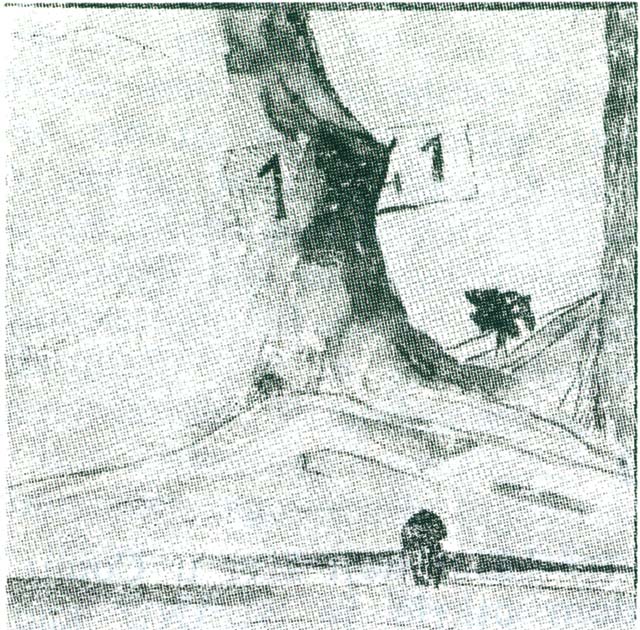
Mario D’Anna PAINTINGS ON SLANA Mario D’ANNA: WATERCOLOURS Mario D’ANNA, Italian painter, born 1933, living in Como, Italy, discovered SLANA as his inspiration late, but it became fruitful. In 1987 he had an exhibition of his 200 watercolour paintings on SLANA in the Italian town of Mariano Comese (Mauri Gallery). D’Anna is himself a victim of war when a forgotten hand grenade tore off his hand, and perhaps this is the reason he was the first painter of SLANA and got attached to it so much and provided us with paintings showing everything from the scorching sun to the burned bodies of innocent inmates. His paintings are full of evocation

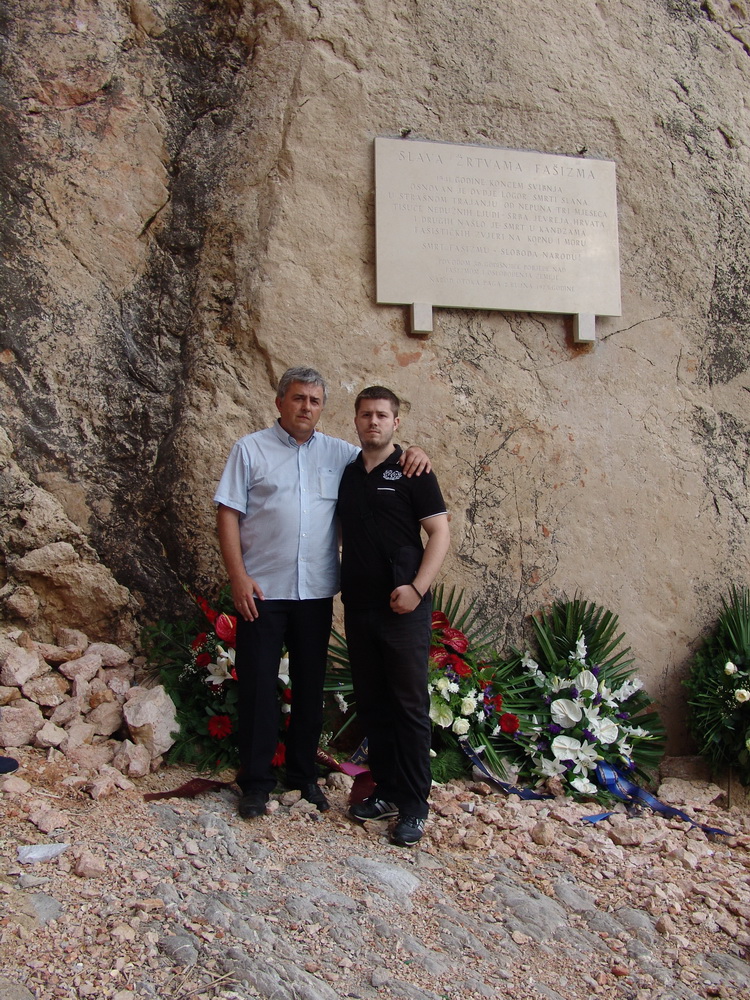
Inscription on the plaque in Slana camp

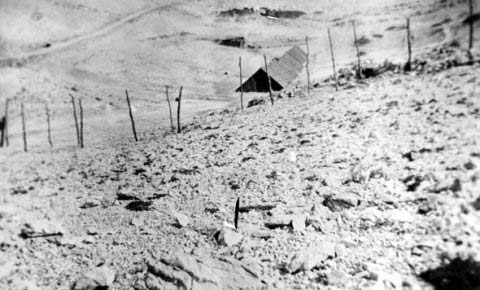
When approaching the Suha beach (Slana camp) on the right and left rise tall cliffs and caves. The people managed to collect some of their scarce money and place a marble plaque on one of those cliffs. Every year next to the plaque a history class is held and wreaths are laid. For the memorial area of Slana, the Pag Municipal Committee ordered a project documentation which will include the whole area of the former camps and gravesites. In 1988 there is already a project to build a road which will go from the village of Metajna to Slana. It will go parallel to the road built by the inmates

DSC00982.jpg

Dušan Bastašić – I Slana je Jadovno

Ћирилица | English Na područje nekadašnjeg ustaškog logora Slana sam prvi put došao 2006. Kao i tada 1941., i onda je na Slani pržilo sunce. Rekao bi naš narod „gori zemlja“. Ovdje nema zemlje, Slana je sami kamen. Jedini život koji se tu održava je biljka zelenih nazubljenih listova otrovnog sadržaja. Kamen na Slani je oštrih ivica. Po njemu je i obuvenom teško hodati. Još uvijek su vidljivi ostaci kamenih ustaških nastambi i stražarskih grudobrana. Zatočenici su u teško zamislivim uslovima golim rukama kamenom u kamenu gradili te objekte i cestu koja vodi „od nikuda nikud“, a koja se još uvijek dobro vidi. Noću su se smrzavali pod improvizovanim nadstrešnicama.

НАЈНОВИЈЕ ВИЈЕСТИ

Јадовно 1941. – Летак

ПРОТИВ ЗАБОРАВА Преузмите летак у PDF формату Јадовничку мисију можете помоћи ако

Попис
10.502 жртве

Удружење Јадовно 1941. је формирало Централну базу жртава, коју можете претражити уносом појединих података о жртвама.

Календар
Покоља

Одаберите годину или мјесец и претражите све догађаје који су се десили у том периоду.